Systematic Kinesiology and the Thymus Gland: Supporting Immunity and Emotional Wellbeing
So many of my clients have come in with what they think are unrelated symptoms (fatigue, depression, brain fog, body aches, frequent illnesses) which makes them feel they are falling apart, when the main issue causing all of them is a thymus imbalance.
The thymus gland is tucked just behind the breastbone in front of, and slightly above the heart. It is small, pinky/purple in colour and a powerful part of our immune system. While science recognises its essential role in developing immune cells, within Systematic Kinesiology (SK) we view and know the thymus as much more than just a biological organ. We see it as a beautiful coloured bridge between physical health, emotional wellbeing, and energetic balance.
What is the Thymus Gland?
The thymus gland is part of the lymphatic system and is particularly active during childhood. Its primary role is to mature T-cells, a type of white blood cell that helps the body identify and fight infections, viruses, and abnormal cells.
If the above isn’t enough the thymus keeps on giving. It is involved with all three parts of the immune system (lymphatic,innate and adaptive) and it is heavily affected by our emotions and self belief.
The Thymus Gland and the Immune System.
The thymus is the core organ for the lymphatic system. It works alongside Bone marrow (where immune cells are made) Lymph nodes (where immune responses are activated) and the Spleen (filters blood and supports immunity). Immune precursor cells come from bone marrow, they travel to the thymus where they mature into T-cells. They then move into the lymph nodes and circulation. Although the thymus does not directly control innate immunity, it influences it in important ways. T-cells from the thymus help regulate innate responses.
Adaptive/Specialised Immune System
The thymus acts like a “training ground” for T-cells. These cells learn and memorise how to:
- Recognise pathogens
- Avoid attacking the body’s own tissues
- Coordinate immune responses
This process prevents illness and maintains balance within the immune system. The thymus is crucial for building a strong, adaptable immune response. Without it, the body would struggle to distinguish between harmful invaders and its own tissues. Therefore with conditions like autoimmune disease, this delicate balance becomes disrupted. Within SK we aim to restore immune function rather than simply suppress.
Beyond Biology and into the Emotions
In Systematic Kinesiology (SK), the Thymus is associated with the Heart chakra and is considered important emotionally, physically, chemically and energetically. The thymus sits just in front of the heart, almost like a cushion or protective buffer.
The heart and chest are often linked with emotions such as love, compassion, trust and grief. However, in practice many people struggle with directing these feelings towards themselves. Self-love, self-compassion and self-trust are often overlooked, and many of us do not allow ourselves the time and space to fully process grief.
It is also common for people to focus only on physical symptoms when health issues arise, while ignoring the emotional factors that may be present.
Within SK, it is believed that a lack of self-love, feeling emotionally unsafe (with ourselves or others), and suppressing emotions can weaken the function of the thymus.
We have been talking about Psycho-immunology within SK for around 40 years but science has finally caught up and proved that when we have any negative thought about ourselves or others our immune system function immediately plummets. Although equally, any positive kind thought we have about ourselves or others boosts our immune system function immediately. So which way of thinking is beneficial to our health? We can choose to reset our thinking and change old behaviours that do not serve us, although sometimes we need help.
Science also tells us that the thymus is really a childhood organ, it just shrinks as we get older, we don’t need it so much and as it shrinks down the tissue turns into fat. They need to catch up.
However, trusting in the design of the body and the importance of everything in us (remember when science told us our appendix was a useless organ?) and understanding the thymus is so emotionally sensitive to self esteem we beg to differ. The Thymus can start to shrink and wither away with negative emotional influences and beliefs from our childhood care givers and peers as our self esteem plummets, although this of course can happen at any stage of our lives.
But here is the good news. With SK we can balance the thymus back to health. We can let go of old stuck, suppressed emotions, let go negative self talk and putting ourselves down, as well as let go of any false beliefs we may have about ourselves. Our thymus can regrow, regenerate and it can recover. This in turns boosts our immunity, energy, physical and emotional health.
This is such an important although neglected truth. Our thymus responds to us as a whole – our minds, our body, our chemistry and our energetic environments.
Supporting the Thymus Naturally
Within Systematic Kinesiology we support the thymus by balancing and nurturing the entire person rather than just targeting the gland alone:
1. Thymus tapping
Light tapping in the beat of a waltz (tap one then pause and then tap two and three directly after each other quicker and repeat) we do this directly over the thymus gland. You can see roughly where to tap from the picture below, although please tap around and find the tender spot as that is where our bodies need tapping:
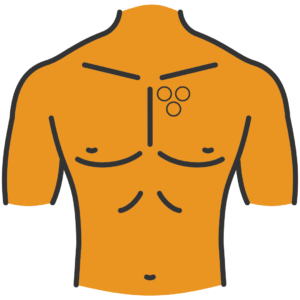
This stimulates energy and blood flow to “wake the thymus up” as it responds to the rhythm which also promotes relaxation and body awareness.
The tapping is magnified with a spoken positive affirmation at the same time. For example:
- I am healing
- I am enough
- I am doing my best and my best is enough
- I am letting go this hurt/anger/sadness, fear, grief, invalidation
- I love myself with all my faults and failings
- I am lovable
2. Nutrition
We particularly look at and test:
- Antioxidants
- Vitamins A, C, D & E
- Zinc and Selenium
3. Rest and Recovery
Many of us live in an “all-or-nothing” culture where we are constantly busy, yet true rest is something many people are lacking. Sitting and scrolling on our phones may feel like relaxation, but it doesn’t allow the body or mind to properly switch off. In fact, constant digital stimulation can place additional stress on our systems.
Instead, try creating small moments of real rest throughout the day. This could be reading a book, spending 10 minutes lying quietly with your eyes closed, sitting in the garden for a few minutes, or doing a short guided meditation. Even brief pauses like these can help the body reset and recharge.
Good quality sleep is equally important. Getting enough sleep plays a vital role in immune regulation, repair and overall wellbeing.
4. Emotional Wellbeing
Finding connection with ourselves and with others is essential for our wellbeing. It’s important that we allow ourselves to process our emotions rather than suppressing or “swallowing” them. In Systematic Kinesiology (SK), the aim is to help release negative or stuck emotions and reduce chronic stress, which can have a positive effect on physical health.
Our remarkable Thymus reminds us that even the smallest organs can play a powerful role in supporting our overall health. When the body is supported and nurtured, it becomes easier for us to move through life with greater balance and resilience.
Supporting the thymus and the immune system is not only about fighting illness. It’s about creating the conditions in which the body can truly thrive. In many ways, caring for the thymus becomes less about the gland itself and more about how we live, love, feel and connect — both with ourselves and with others.
If you would like support with your thymus or immune-related issues, you can find your nearest Systematic Kinesiologist through the TASK UK Network practitioner directory:
https://www.taskuknetwork.org/find-a-kinesiologist/
And if this work resonates with you, you may even feel inspired to learn more. Training with The Academy of Systematic Kinesiology (TASK) offers the opportunity to deepen your understanding of kinesiology and empower both yourself and others on their health journey. You can view our upcoming courses here >>>